Skip to main content Skip to footer
Your family’s safety starts with preparation. Whether it’s a late-night knock, a power outage, or a sudden emergency, having the right home defense gear can make all the difference. The goal isn’t to live in fear, but to stay confident and ready for whatever comes your way.
In this guide, you’ll find the best tools and equipment for 2026 that help protect your home and loved ones, from body armor and tactical flashlights to smart safes and non-lethal options.
Each item serves a real purpose: to give you time, awareness, and peace of mind when seconds matter most.
Why Home Defense Gear is Essential in Today’s World
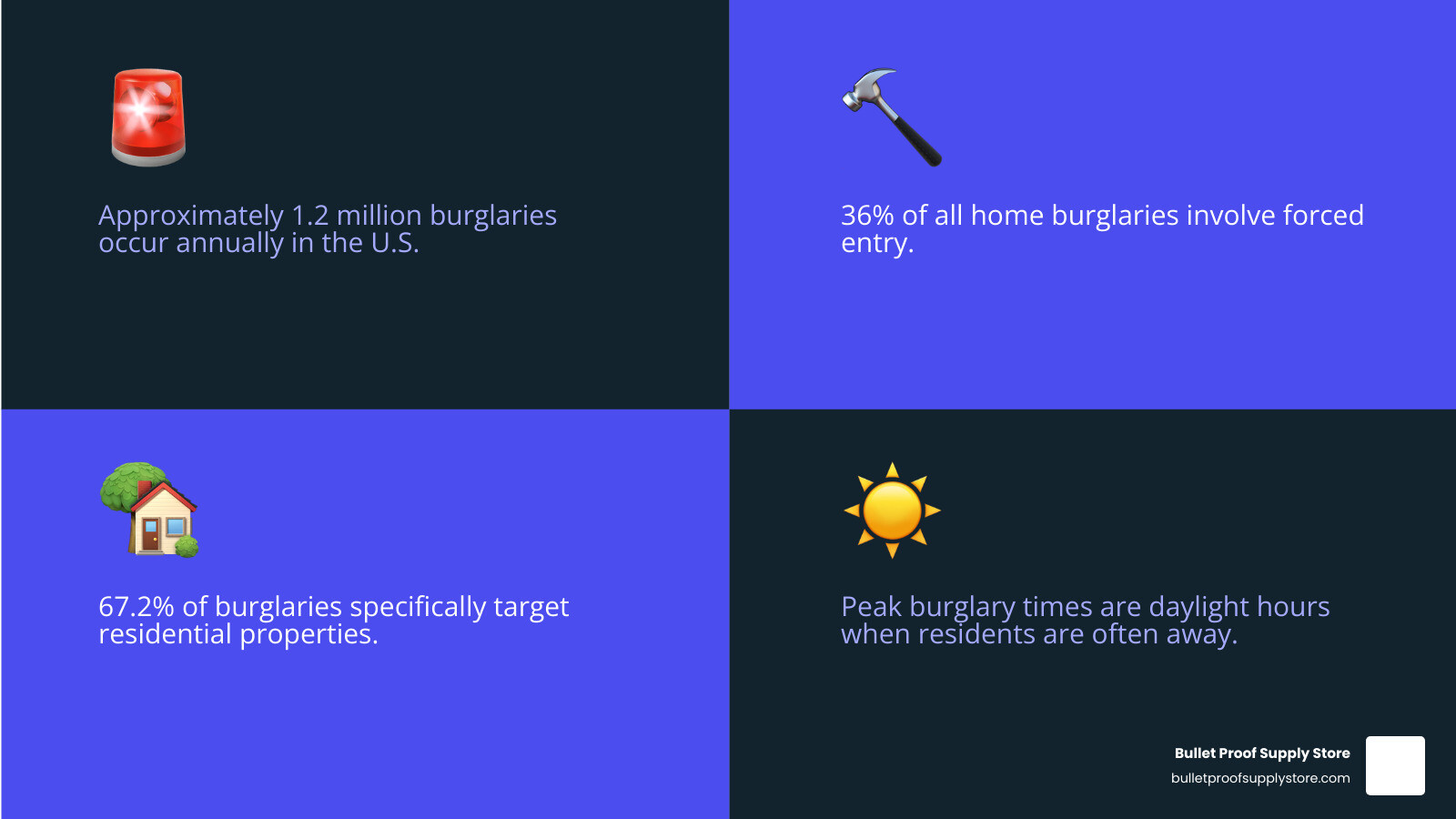
Home defense gear has become increasingly important for families everywhere. According to FBI data, more than 1.2 million violent crimes were reported in the U.S. in a single year, and burglary remains one of the most common property crimes. Around 55% of break-ins involve forced entry, often happening when homeowners least expect it.
Having the right protection at home can make all the difference.
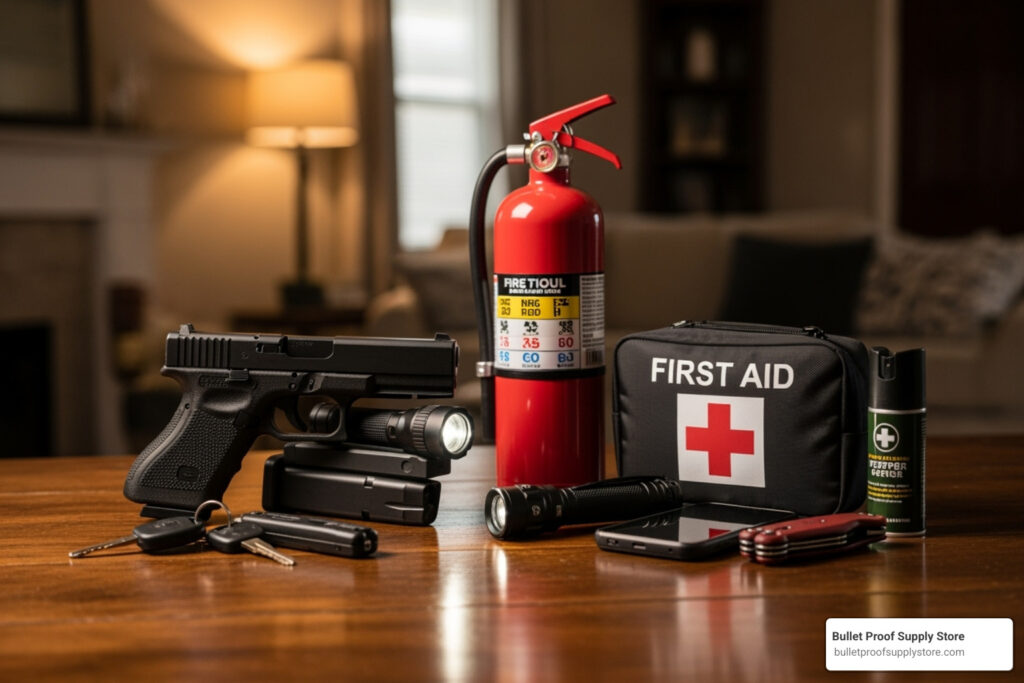
Essential home defense gear categories:
- Body armor: Level IIIA vests that protect your vital areas
- Tactical flashlights: Bright, durable lights for visibility and defense
- Non-lethal options: Pepper spray, stun guns, and personal alarms
- Communication tools: Reliable ways to call for help fast
- Secure storage: Quick-access safes for easy reach in emergencies
Home defense isn’t about fear; it’s about preparation. The goal is to stay calm, confident, and ready. Each piece of gear adds a layer of safety, helping you protect your loved ones and respond quickly when it matters most.
How Body Armor Strengthens Your Home Defense Strategy
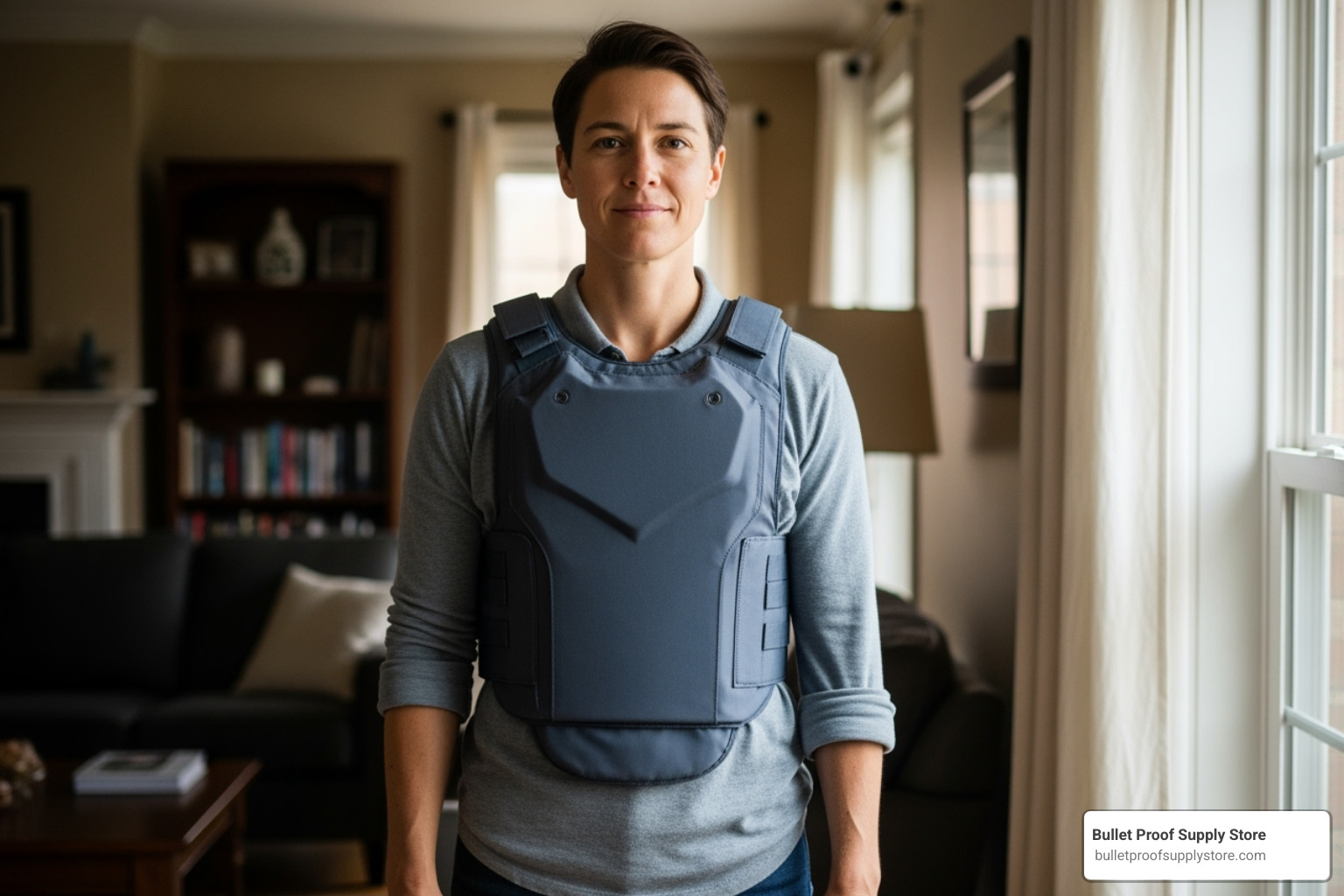
Body armor is often seen as gear for law enforcement or the military, but it plays a vital role in home protection too. During a home invasion, an intruder has the advantage of surprise.
Body armor helps level the field by protecting your vital organs when it matters most. It’s not about fear; it’s about giving your family a better chance to stay safe.
The real value of body armor is the peace of mind it brings. Knowing you’re protected helps you stay calm, think clearly, and take action when every second counts.
The Benefits of Having Body Armor for Home Defense
Imagine hearing glass break downstairs at 2 AM. Your heart is racing, and you need to make split-second decisions. This is when body armor proves its worth.
The primary benefit is increased survivability. Most violent crimes involve handguns, and body armor is designed to stop these common threats. By protecting vital organs like your heart and lungs, you give yourself the best chance to survive an encounter and protect your loved ones.
Body armor also allows you to focus on defense instead of worrying about getting shot. With that extra layer of protection, you can concentrate on executing your defense plan, whether that means moving your family to a safe room, calling 911, or confronting the threat.
The psychological advantage is also significant. Confidence is essential in a crisis. Feeling more protected helps you think clearly and act decisively rather than panic.
How to Choose the Right Body Armor
Choosing the right armor is simple when you know what matters most. Focus on the level of protection, comfort, and fit for your situation.
- Check NIJ Certification: Look for armor tested and rated by the National Institute of Justice (NIJ). Level IIIA is ideal for most home defense needs, stopping common handgun rounds like 9mm, .40 S\&W, and .44 Magnum.
- Pick the Right Material: Soft armor (like Kevlar) is lightweight and flexible, great for comfort. Hard armor (ceramic or steel) provides more protection but is heavier.
- Consider Concealability: Choose a discreet vest that can be worn under regular clothing if you prefer to stay low-profile, like our Women’s bulletproof vests, which are designed for comfort and discretion.
- Prioritize Fit and Comfort: Armor that doesn’t fit right won’t protect properly. Choose one that feels secure but allows easy movement.
Each of these details can make a real difference when seconds matter.
If you’d like to understand the technical side better, check out our guides on the difference between Level II and Level III body armor and how NIJ testing works for bulletproof vests to help you choose the right protection for your needs.
Essential Home Defense Gear: Tools for Every Scenario
A solid home defense gear collection goes beyond body armor. An effective security plan includes tactical tools, non-lethal options, illumination, and alert systems. Having a well-rounded toolkit gives you options, allowing you to choose the most appropriate response for any scenario.
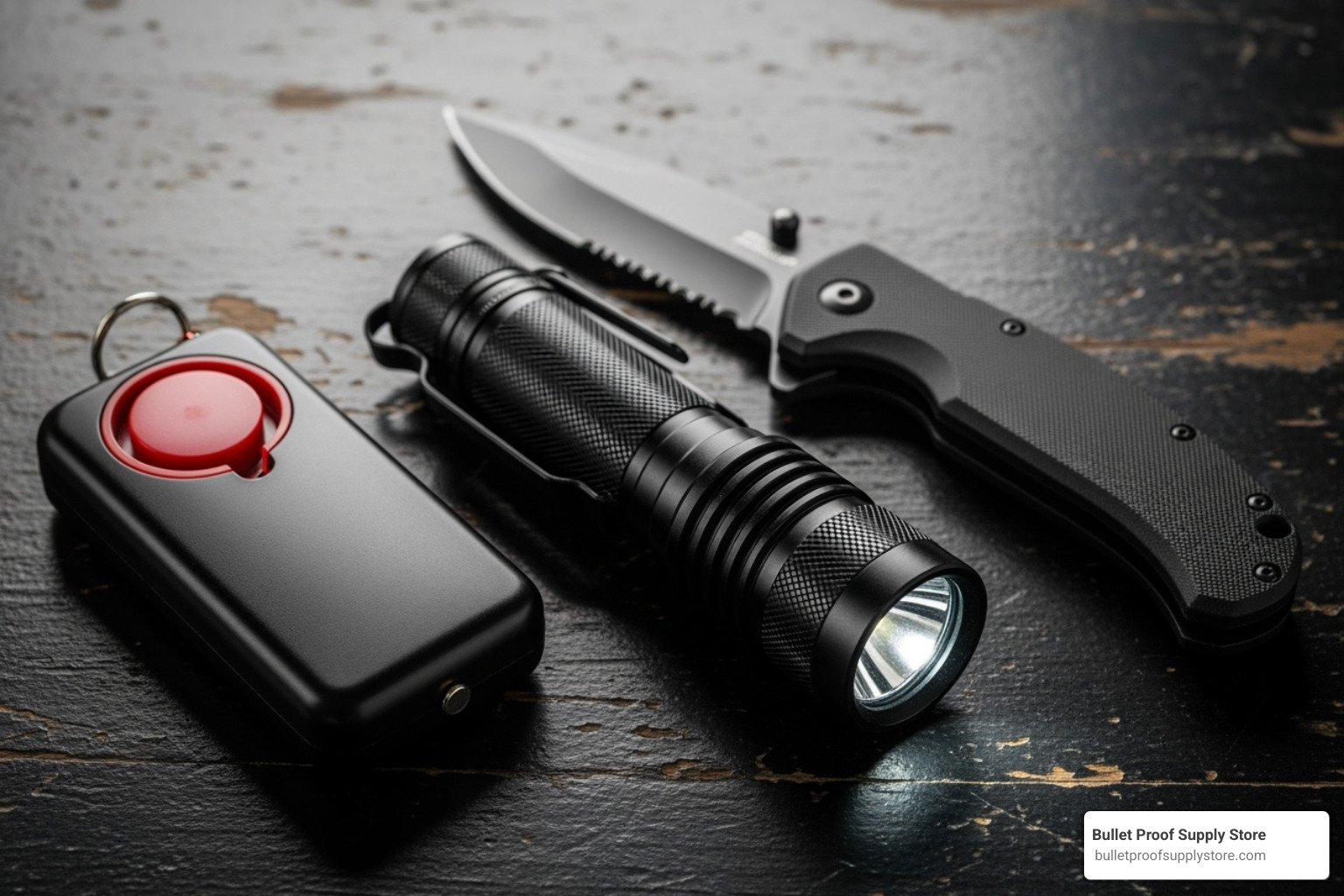
Tactical Flashlights: More Than Just a Light Source
Many high-risk moments happen in low light, especially evenings when violent crime peaks, which makes a tactical flashlight one of the most practical tools for your home kit. Just as important, a bright light lets you positively identify a target before you act.
A high-lumen tactical flashlight does more than illuminate. Shining a bright beam into an attacker’s eyes causes instant disorientation and temporary blindness, giving you precious seconds to react.
The most important function, however, is target identification. You must know what you are pointing any defensive tool at. A powerful flashlight helps you distinguish between an intruder and a family member in a dark hallway.
Unlike household flashlights, tactical models are built for durability. Many also offer strobe modes for added disorientation or crenelated bezels for striking in close quarters.
Non-Lethal Self-Defense Options for Home Use
Non-lethal options are designed to deter an attacker without causing permanent harm, giving you time to create distance and call for help.
- Pepper spray is user-friendly and effective from 5–20 feet, causing temporary blindness, breathing difficulty, and intense burning pain.
- Stun guns require direct contact but deliver an electric shock that disrupts muscle control and causes temporary incapacitation.
- Tasers fire projectiles from 10–20 feet, delivering electric shocks that incapacitate an attacker while you maintain a safe distance. They are often more heavily regulated.
- Personal alarms emit a piercing sound to startle an attacker and draw attention, which can be enough to make an intruder flee.
| Non-Lethal Option | Range | Effect | Legality (General) |
|---|---|---|---|
| Pepper Spray | Short to Medium (5–20 ft) | Temporary blindness, respiratory distress, burning skin | Varies by state; typically legal with restrictions |
| Stun Gun | Contact only | Muscle incapacitation, temporary pain | Varies by state; some restrictions |
| Taser | Medium (10–20 ft) | Neuromuscular incapacitation (NMI), temporary pain | Highly regulated; often requires permits/licenses |
| Personal Alarm | N/A (sound projection) | Deterrent, attention-grabbing | Generally legal everywhere |
The Role of Tactical Knives and Other Tools
Tactical knives are primarily utility tools that can serve as a last-resort defensive option. Their main value in a home defense gear kit comes from their versatility for everyday tasks. While they can be used for defense in extreme close-quarters situations, your goal should always be to create distance and use other measures first.
Their compact size makes them practical for staging in various locations around your home, such as a kitchen drawer or nightstand.
Self-defense keychains offer another layer of discreet protection. These compact tools often feature pointed ends designed to improve striking power, providing both a psychological boost and a physical means of defense. You can learn more about the versatile uses of these tools and how they fit into a comprehensive defense strategy.
How to Integrate Tactical Gear into Your Home Security Plan
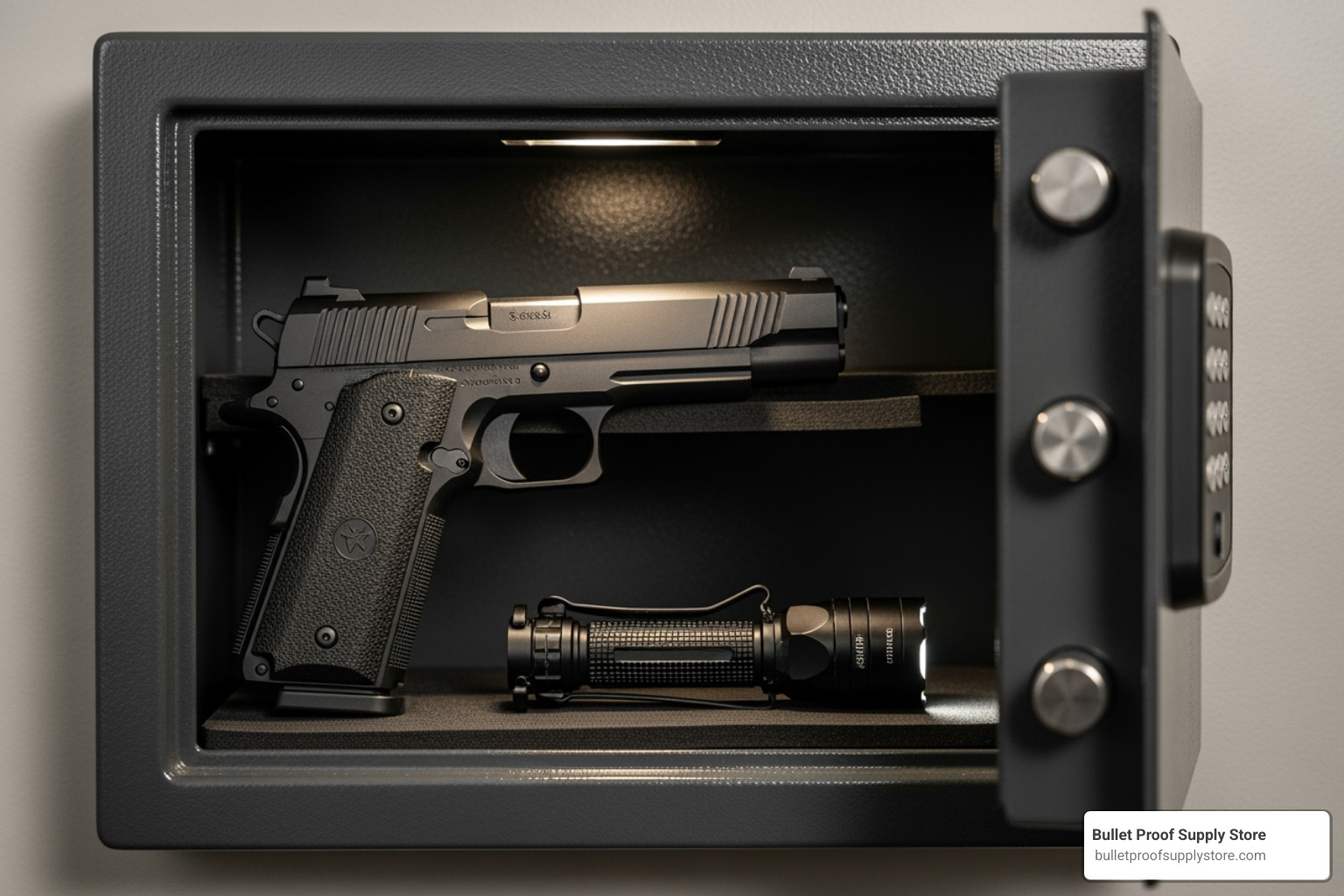
Having the right home defense gear is only half the job. To make it truly effective, it needs to be part of a clear and simple home security plan. That means setting up safe rooms, keeping gear accessible, and making sure everyone in the family knows what to do if something happens. Your plan should evolve over time as your home or family needs change.
It’s also smart to prepare a “grab-and-go” kit, a small, ready-to-use bag with essentials you can reach quickly during an emergency. In stressful moments, every second matters, and having your supplies in one place saves time and confusion.
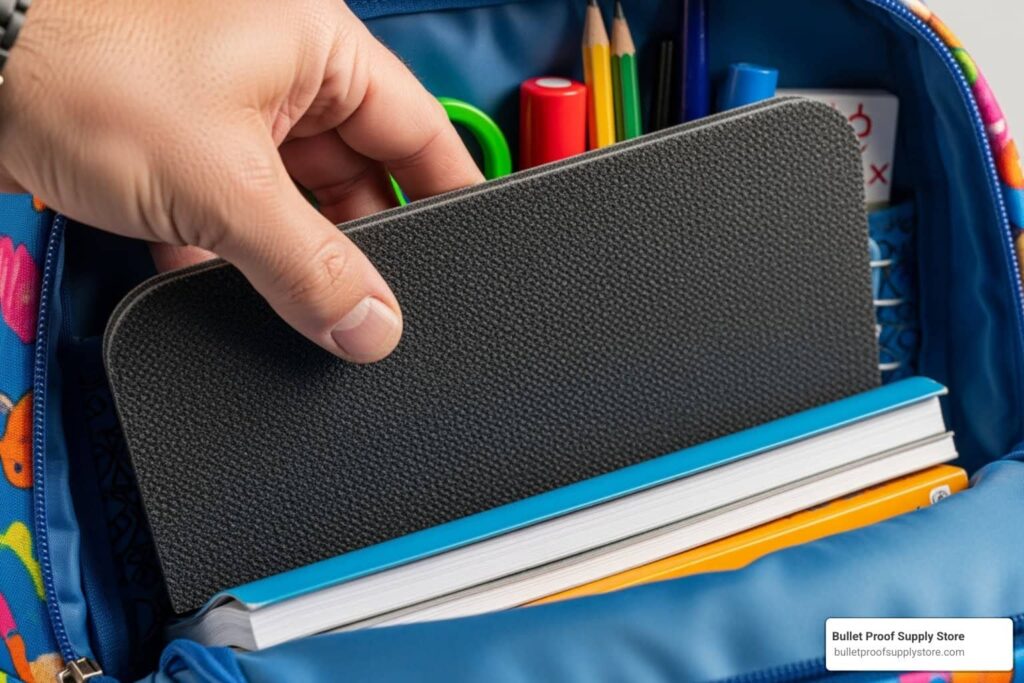
For mobile protection, an active shooter response sling bag or a bulletproof atomic defense backpack can be smart additions. These ballistic backpacks, available in our bulletproof backpacks collection, let you carry daily essentials while adding an extra layer of safety against common threats.
Your kit should also include:
- Communication devices (charged cell phone, two-way radio)
- Medical supplies (first-aid kit, tourniquets)
- Illumination (tactical flashlight, extra batteries)
- Water and non-perishable snacks
- A multi-tool
- Cash in small bills
Keep these kits in an easy-to-reach but discreet location, and check them regularly to replace expired items or recharge batteries. A well-prepared plan backed by the right gear can make all the difference when quick action counts.
The Importance of Training and Familiarity
Owning home defense gear without proper training is like having a tool you don’t know how to use. Training and familiarity are essential for effective self-defense with any piece of gear.
Under stress, fine motor skills decline, and muscle memory takes over. Repetitive practice allows you to deploy your gear instinctively, even when your heart is pounding. Stress inoculation through realistic training helps you manage adrenaline and make sound decisions. For firearms, dry-fire practice (practicing without live ammunition) is an excellent way to safely build skills at home.
Professional instruction from certified trainers is invaluable. They teach proper techniques, safety protocols, and help you understand your gear’s limitations. As the experts at ATS: Advanced Tactical Solutions emphasize, regular practice is crucial to maintain proficiency.
Training ensures you know your gear’s capabilities and limitations, preventing you from overestimating them in a critical moment. Regular practice makes your gear an extension of yourself, ready to perform when safety is on the line.
What Are the Legal Implications of Owning Home Defense Gear?
Owning home defense gear brings real legal responsibility. The use of force must be proportional to the threat, so you cannot lawfully use deadly force against a simple trespass; your response should match the danger you face under the use of force continuum.
Many home-defense claims fall under versions of the Castle Doctrine, which recognizes the right to defend your home, but rules differ by state.
Some states require a duty to retreat, while others follow stand-your-ground rules, so check local laws and, if you have specific concerns, consult a qualified attorney before relying on any gear in a high-risk situation.
How to Stay Within the Law When Buying Home Defense Gear
The legal landscape for specific gear can be complex.
- Body armor is generally legal for civilians in most states, including our Level IIIA vests and bulletproof clothing. However, make sure to check your local laws regarding body armor as some states restrict sales to individuals with felony convictions.
- Tasers and stun guns are often highly regulated. Some states require permits or licenses, while others ban them outright or have age restrictions.
- Knife laws can be surprisingly intricate. Blade length restrictions are common, and the legality of locking mechanisms (e.g., switchblades vs. spring-assisted knives) varies by jurisdiction.
The bottom line is to check your local statutes before you buy. A call to your local police department’s non-emergency line or a consultation with an attorney specializing in self-defense can prevent major legal issues.
Being prepared means being legally prepared. The goal is to protect your family while staying on the right side of the law. Understanding both your gear and your legal responsibilities allows you to make confident decisions about your home defense gear.
Frequently Asked Questions about Home Defense Gear
What is the most important piece of home defense gear?
There is no single most important item; a layered approach works best. Key pieces many homeowners rely on are Level IIIA body armor for personal protection, a bright tactical flashlight for ID and disorientation, and a reliable communication device like a charged phone for calling help.
How do I choose between lethal and non-lethal options?
That choice comes down to what you are mentally and legally prepared to use, and how much training you will commit to. Think about your household, especially children, local laws, and your goal. Do you want to create a chance to escape or stop a deadly threat? Then pick tools that match that plan.
What is the difference between a stun gun and a taser?
A stun gun needs direct contact and works by causing pain and muscle disruption, while a taser fires probes that can incapacitate a target from about 10 to 20 feet. Tasers let you keep distance but cost more and face stricter laws, so check local rules before buying either one.
Conclusion
Taking control of your family’s safety is about being prepared, not living in fear. The right home defense gear builds layers of protection, with each item serving a purpose, from the life-saving strength of body armor to the quick advantage of a tactical flashlight.
Preparedness is a mindset, not just a collection of tools. It’s the understanding that you are your family’s first line of defense.
A layered setup gives you options: body armor shields your vital areas, flashlights help you identify and disorient threats, and non-lethal tools give you a safe, proportional way to respond.
Gear alone isn’t enough without practice and awareness. Training regularly and knowing the legal rules in your area are key to acting responsibly and confidently when it counts.
At Bulletproof Supply Store, we’re committed to providing trusted NIJ Level IIIA protection at fair prices by working directly with manufacturers. Your family’s safety shouldn’t be a luxury; it’s a priority.
The peace of mind that comes from being prepared is priceless. Don’t wait for an emergency to take action. Start building your home defense plan today and explore our full range of home defense gear designed to help you protect what matters most.