 Skip to main content Skip to footer
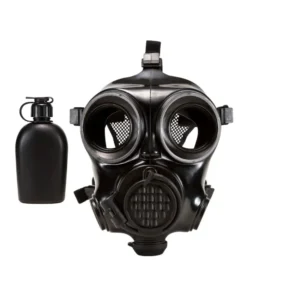
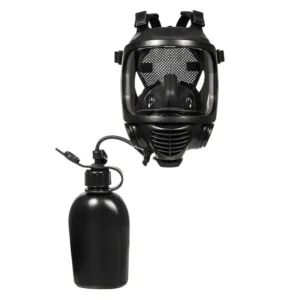
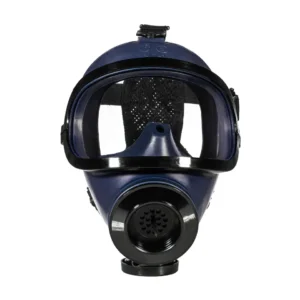
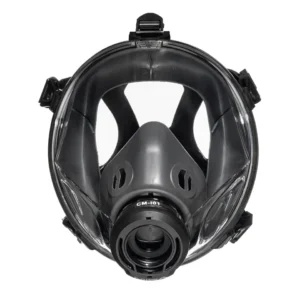
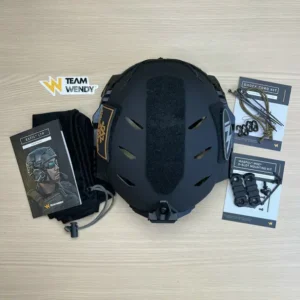
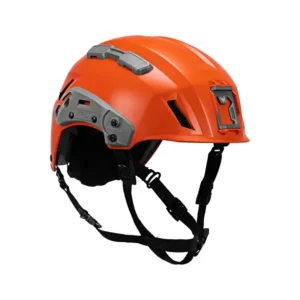
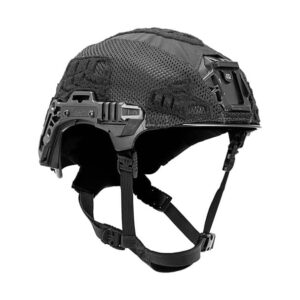
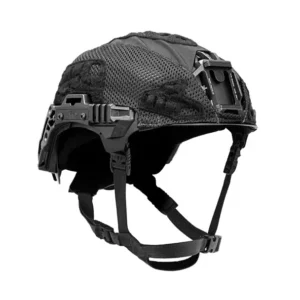
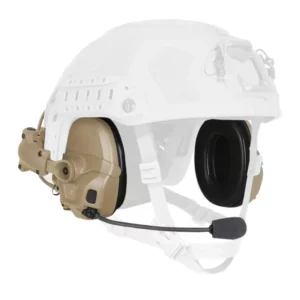
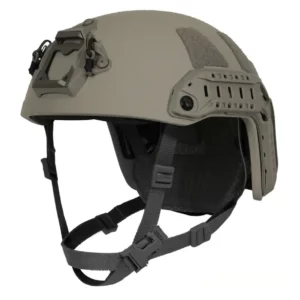
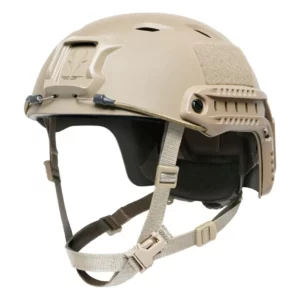
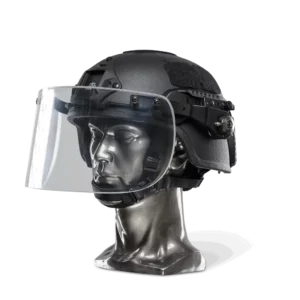
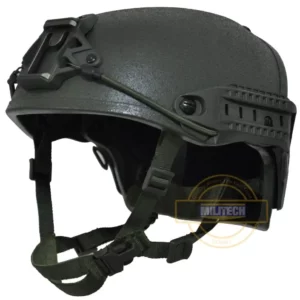
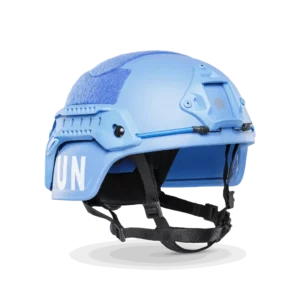
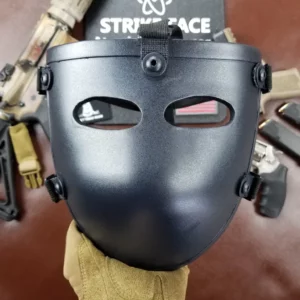
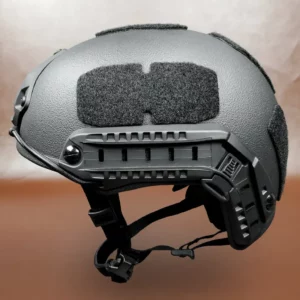
Coverage area. Some models cover more of the face, while others are centered more on the head. It helps to be clear on what part of the setup matters most to you from the start.
Bulletproof Masks - Full Face Bullet Proof Helmets & Tactical Masks
When protection becomes a priority, standard gear no longer feels enough. Bulletproof masks offer full-face coverage designed to handle higher-risk environments where impact resistance and facial protection matter. Bulletproof masks step in as a more advanced option, offering reinforced coverage and a higher level of face protection.
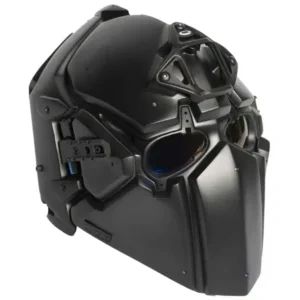
For professionals working in high-risk settings, facial protection plays a role in overall safety. Full face bulletproof helmets and tactical masks provide coverage without compromising visibility or movement.
Our collection includes bulletproof helmets, ballistic face shields, and face mask options, so you can compare what works best for your needs in one place.
Bulletproof Face Masks for Added Facial Protection
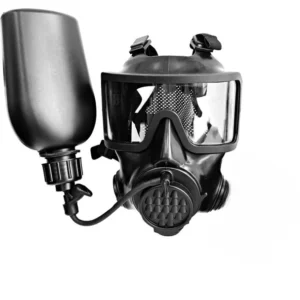
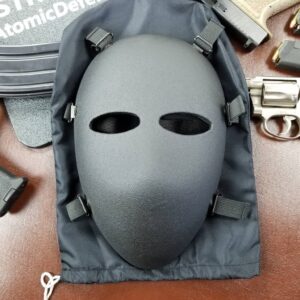
Bulletproof face masks are built for real protection. They cover key areas of the face in environments where impact, debris, or ballistic risk is present. This collection includes lower-face shields and full-face systems.
Some masks work with helmets and existing gear. Others provide full-face coverage on their own with built-in filtration or reinforced visors. The difference comes down to how you plan to use it. Fit, visibility, and compatibility all affect performance in the field.
Materials and build quality vary across the range. Some designs stay lightweight for longer wear and mobility. Others use stronger structures for higher levels of protection. The level of coverage also changes from one model to another.
This collection helps you compare those differences side by side. You can choose based on the coverage you need, how it fits into your setup, and how it performs in your conditions.
Bulletproof Helmets Built for Reliable Head Protection
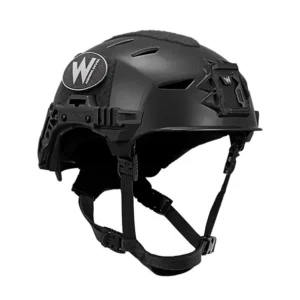
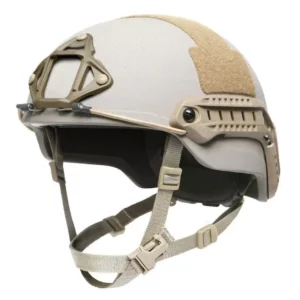
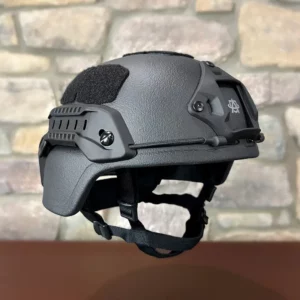
Bulletproof helmets are built to protect against impact and ballistic threats in real conditions. This collection includes high-cut, mid-cut, and full-coverage designs. Each type supports a different level of protection and mobility.
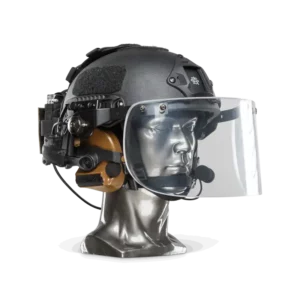
Some helmets focus on lighter weight for longer wear. Others provide more coverage around the sides and back of the head. You will also find options with rails, mounts, and compatibility with face shields or visors. These features matter if you plan to run a full setup.
Protection level is only one part of the decision. Fit and balance affect how the helmet feels during use. A helmet that shifts or feels heavy can become a problem over time. The way it works with headsets, mounts, and face protection also plays a role.
This collection brings those options together so you can compare them clearly. You can look at coverage, weight, and setup compatibility before choosing what fits your use.
Bulletproof Face Masks vs Bulletproof Helmets: What’s the Difference?
Not sure whether a bulletproof face mask or a bulletproof helmet makes more sense for your setup? This quick comparison helps you see how each option differs, along with where a face shield fits in.
| Feature | Bulletproof Face Mask | Bulletproof Helmet | Face Shield |
|---|---|---|---|
| Coverage Area | Covers lower face or full face depending on design | Covers top, sides, and back of the head | Covers front of face only |
| Main Role | Adds facial protection to a setup | Base layer of head protection | Extra front protection, usually secondary |
| Setup | Often used with a helmet | Usually the starting point | Attached to helmet |
| Protection Focus | Face and jaw area | Skull and head | Eyes and front face |
| Visibility | Can reduce field of view depending on design | Usually minimal obstruction | Clearer view but depends on shield type |
| Weight Feel | Can feel front-heavy on some models | Balanced across head | Lighter, depends on material |
| Comfort Over Time | Varies, depends on airflow and fit | More stable for longer wear | Can feel bulky when attached |
| Best For | Added facial coverage | Core head protection | Extra front coverage in specific setups |
Understanding NIJ Level IIIA and Ballistic Protection
Many of our bulletproof helmets and face masks follow recognized standards such as NIJ Level IIIA. This is a widely used soft armor rating designed to protect against common handgun threats. Under testing, it is rated to stop rounds such as 9mm FMJ and .44 Magnum SJHP at specified velocities. It also covers other typical handgun calibers like .357 SIG, .45 ACP, and similar lower-caliber threats.
The rating gives you a clear baseline for what the product is tested against, but it should not be the only factor in your decision. Materials such as aramid fibers or composite layers affect durability. Some helmets and masks protect more surface area, while others reduce bulk to improve movement and comfort.
Weight and flexibility matter depending on how the gear will be used. Lighter designs are easier to wear for longer periods and reduce fatigue. Heavier builds may offer more structure and coverage. The right choice depends on how much protection you need and how the gear fits into your setup.
What to Look for in a Bulletproof Face Mask or Helmet
A bulletproof face mask and a bulletproof helmet can look straightforward at first, then feel very different once you get into the details. That is where the real decision starts. Here are a few things worth paying attention to before you choose:
A lot of the products in this collection are used by law enforcement, security professionals, and others who need dependable protective gear. Even then, one model can feel quite different from the next, so it is worth checking the product details before making a final call.
Frequently Asked Questions About Bulletproof Masks
Is it legal to own a bulletproof mask?
In most parts of the United States, civilians can legally own ballistic protection, including bulletproof masks and helmets. There is no federal law that bans ownership for personal use.
There are two key limits to understand. First, convicted felons are generally prohibited from owning body armor under federal law. Second, a few states add restrictions. For example, New York requires most purchases of body armor to go through in-person sales with certain conditions, and some local rules may apply depending on how the gear is used.
Owning protective gear is legal. Using it while committing a crime is a separate issue and can lead to additional charges. If you are buying for personal safety, training, or professional use, it is generally allowed.
What is 10 times stronger than Kevlar?
There is no single material officially defined as “10 times stronger than Kevlar” across all conditions. Strength depends on how you measure it, tensile strength, weight, flexibility, or impact resistance.
That said, some advanced materials are commonly compared to Kevlar:
- Dyneema (UHMWPE): Often cited as stronger than steel by weight and lighter than Kevlar.
- Graphene: Extremely strong at a microscopic level, with theoretical strength far beyond Kevlar, but still limited in real-world armor applications.
- Carbon nanotubes: Very high strength in lab settings, though not widely used yet in practical ballistic gear.
In real-world protective equipment, materials like Dyneema (UHMWPE) are widely used in modern ballistic helmets and armor. Dyneema is known for its extremely high strength-to-weight ratio, up to 15 times stronger than steel by weight. It does not absorb water, resists stretching, and holds up well under repeated use.
Do bulletproof face masks work?
Bulletproof masks provide extra protection but their effectiveness can vary. Mask design, materials used and the ballistics it’s protecting against factor in to the overall results. Yes bulletproof masks offer extra protection but there is no 100% guarantee against attack.
What can a ballistic mask stop?
Masks made from materials such as Dyneema can absorb or deflect the force of a projectile. These materials are specifically designed to prevent penetration by high-velocity bullets and shrapnel. They can also provide some level of protection against blunt force trauma.
What fabric can stop a bullet?
No regular “fabric” can stop a bullet. Ballistic protection comes from engineered materials that are layered and tested under strict standards. The most common materials include:
- Kevlar (aramid fiber): A tightly woven synthetic fiber that spreads the force of handgun rounds across multiple layers
- UHMWPE (ultra-high-molecular-weight polyethylene): A lighter material used in many modern helmets and armor systems
- Twaron (aramid fiber): Similar to Kevlar, used in ballistic panels and helmets
The protection comes from how the material is layered. Multiple layers take in the force and spread it across the surface, which helps stop the bullet. The result varies based on layer count, bonding method, and the assigned rating.
What does NIJ Level IIIA mean?
NIJ Level IIIA is a ballistic protection standard established by the National Institute of Justice (NIJ), the research and evaluation agency of the U.S. Department of Justice. Levels IIA, II, and IIIA are generally soft body armor designed to protect against a range of handguns.
Level IIIA armor stops .357 SIG FMJ Flat Nose rounds, .44 Semi Jacketed Hollow Point rounds, and standard 9mm rounds. It is the highest-rated soft armor level before moving into hard armor.
Manufacturers must test all Level IIIA products under strict NIJ protocols at a DOJ-certified laboratory. The armor cannot allow any full penetration during testing, and labs evaluate samples in both new and conditioned (worn) states.
How do I choose between a bulletproof helmet and a bulletproof face mask?
It mostly comes down to what part of the head or face you want covered. A bulletproof helmet is meant for head protection, while a bulletproof face mask adds protection for the face. Some people use a helmet by itself, while others want both as part of the same setup.
Can a face shield stop a bullet?
Yes, but only certain face shields, and only up to a point. Ballistic face shields can stop handgun bullets. However, stopping the bullet doesn’t mean walking away unharmed. This is the part most people don’t realize. The back face deformation, the dent that forms on the inside of the armor when it’s hit, acts like a painful impact to your body.
The impact alone from that deformation can crack the wearer’s skull, induce severe concussions or brain damage, and cause severe neck injuries which could still result in death.
How do I care for a bullet proof face mask?
Caring for a bulletproof face mask comes down to four things: cleaning it correctly, inspecting it regularly, storing it properly, and knowing when to replace it. Harsh chemicals like bleach, dry cleaning solvents, and heavy detergents can silently degrade ballistic materials.
- Clean with a damp cloth and mild detergent only
- Look for cracks, warped areas, damaged straps, compromised padding, and any visor hazing
- Store flat or on a sturdy mount in a cool, dry, shaded area
- Never modify the mask. N o drilling and no unapproved attachments. Any unauthorized change voids the ballistic rating.
Replace it if it has taken a hit, shows visible damage, or has exceeded the manufacturer’s warranty period.
Can tactical masks be used for airlift or paintball?
Tactical masks offer the perfect amount of eye and head protection for airlift or paintball. The hard materials used are designed to absorb the shots while giving the wearer protection.
Can tactical face masks be worn in conjunction with eyewear or goggles?
Yes, alongside eyewear or goggles is not only possible but encouraged. Many masks feature adjustable straps, contoured profiles, and enough clearance around the eye area to accommodate both standard goggles and prescription eyewear comfortably. This makes them a practical solution for operators or civilians who need vision correction but don’t want to sacrifice eye protection in high-risk situations.
